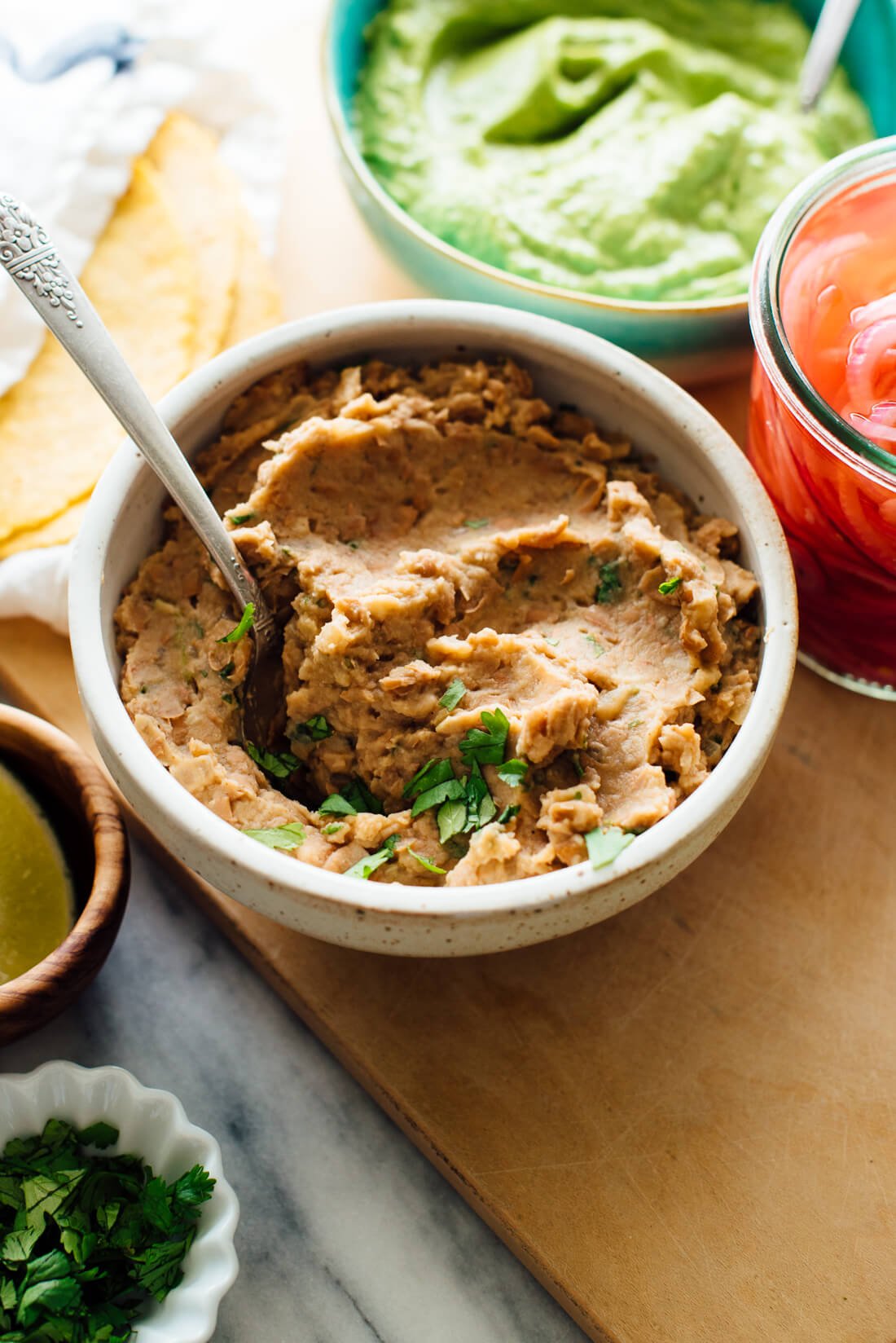
Homemade Refried Beans: Easier, Creamier, Better Than Canned
Forget everything you thought you knew about refried beans if your primary experience comes from a can. While convenient, the canned version often pales in comparison to the rich, creamy, and deeply flavorful experience of homemade refried beans. This staple of Mexican and Tex-Mex cuisine, known as frijoles refritos, is surprisingly easy to make from scratch, delivering a taste and texture that will elevate any meal. Get ready to discover your new favorite refried beans recipe – one that promises to be easier, creamier, and undeniably better than anything store-bought.
The beauty of crafting refried beans at home lies in the control you gain over every ingredient, from the quality of the beans to the type of fat and the blend of spices. This customization allows you to achieve a consistency and flavor profile perfectly suited to your palate, transforming a simple side dish into a star player on your dinner table. Whether you're aiming for a velvety smooth purée or a more rustic, textured mash, homemade refried beans are a game-changer.
Why Homemade Refried Beans Reign Supreme
The term "refried" is a bit of a misnomer in English, often leading to the assumption that the beans are fried twice. In Spanish, frijoles refritos more accurately translates to "well-fried" or "thoroughly fried," indicating a cooking process where cooked beans are mashed and then sautéed in fat to develop their distinctive flavor and creamy texture. This second cooking stage is where the magic truly happens, transforming simple cooked beans into a rich, unctuous dish.
Comparing homemade refried beans to their canned counterparts is like comparing a freshly baked artisan loaf to pre-sliced white bread. Homemade offers:
- Superior Flavor: Freshly cooked beans absorb spices and fats more effectively, leading to a much richer, more nuanced taste. You control the salt and spice levels, avoiding the often bland or overly salty taste of canned varieties.
- Unmatched Creaminess: The secret to truly luxurious refried beans lies in the mashing and the careful addition of cooking liquid or broth. This process yields a consistently smooth and tender texture that canned beans simply can't replicate, which often rely on thickeners and stabilizers.
- Healthier Choice: By making your own, you sidestep unwanted additives, preservatives, and excessive sodium commonly found in store-bought options. You're getting pure, wholesome beans packed with fiber and protein.
- Versatility: While both can be used, the superior taste and texture of homemade beans truly shine in everything from quesadillas and burritos to a standalone dip with tortilla chips.
The Heart of the Matter: Choosing Your Beans and Fat
The foundation of any great refried beans recipe begins with your choice of beans and fat. These two elements are critical for developing authentic flavor and achieving that coveted creamy texture.
Beans: Dried vs. Canned
For the absolute best flavor and creaminess, starting with dried pinto beans or black beans is highly recommended. Cooking them from scratch allows you to infuse them with flavor right from the start, controlling the tenderness and seasoning. While it requires a bit more time for the initial cooking (typically 1.5 to 2 hours on the stovetop, often without the need for presoaking, or even quicker in an Instant Pot), the difference in the final product is profound. Freshly cooked beans retain more of their natural starch, which contributes significantly to the creamy texture when mashed. For an in-depth guide on both methods, check out our article on Perfect Refried Beans: Dried, Canned, Stovetop & Instant Pot.
However, if you're short on time, canned pinto or black beans are a perfectly acceptable shortcut. Ensure you rinse them well to remove excess sodium and any canning liquid before proceeding with the "refrying" step. While the flavor might be slightly less complex than dried beans, they still offer a significant improvement over canned refried beans.
Fat: The Flavor Enhancer
The "refrying" step relies on fat, which not only prevents sticking but also acts as a powerful flavor carrier, adding richness and depth. Traditional recipes often call for:
- Lard: This is the most authentic choice for Mexican refried beans, providing an incredibly rich, savory flavor and a velvety mouthfeel that’s hard to beat.
- Bacon Fat: For a smoky, undeniably delicious twist, bacon fat is an excellent alternative. It infuses the beans with a wonderful depth of flavor.
- Butter: If you prefer a milder, buttery richness, this is a great option.
- Vegetable Oil or Olive Oil: For a vegan or vegetarian version, or simply a lighter touch, a neutral oil works perfectly well, allowing the natural flavor of the beans and spices to shine.
The choice of fat is crucial for creating the perfect balance of flavor and texture, contributing to the overall deliciousness of your homemade refried beans.
Simple Steps to Unforgettable Creaminess
Achieving the perfect creamy consistency and robust flavor in your homemade refried beans is simpler than you might think. It’s all about layering flavors and mastering the mashing technique.
1. Cook Your Beans to Perfection
If starting with dried beans, cook them until they are very tender – almost falling apart. This is crucial for easy mashing and a creamy final product. As mentioned, often no presoaking is required for pinto or black beans. Whether on the stovetop or in a pressure cooker, ensure you cook them with enough water to yield a rich cooking liquid. Do not discard this cooking liquid! It's gold for achieving the right consistency and adding deep bean flavor when mashing.
2. Build the Flavor Foundation
In a wide, heavy-bottomed skillet over medium heat, melt your chosen fat. Once shimmering, add finely diced onion and minced garlic. Sauté them gently until translucent and fragrant, which typically takes about 5-7 minutes. This step creates an aromatic base, adding a subtle sweetness and pungent depth that beautifully complements the beans. Next, stir in your spices – typically ground cumin, a pinch of cayenne pepper for a gentle kick, and a generous amount of salt. Toasting the spices for about 30 seconds with the aromatics helps to bloom their flavors, making them more potent and aromatic.
3. The "Refrying" and Mashing Process
Now, add your cooked beans (or rinsed canned beans) to the skillet along with some of their reserved cooking liquid (or water/broth if using canned). Stir everything together, allowing the beans to absorb the flavors from the aromatics and spices. Bring the mixture to a gentle simmer.
This is where you achieve your desired creaminess. Using a potato masher, a sturdy fork, or even an immersion blender (for super smooth beans), begin mashing the beans directly in the skillet. For a rustic texture, mash just until most beans are broken down, leaving some intact. For a silkier consistency, continue mashing, adding more of the reserved bean cooking liquid a little at a time until you reach your desired smoothness. The beans will continue to absorb liquid as they cool, so don't be afraid to add more than you initially think you'll need. For expert tips on achieving that perfect creamy texture, explore our article: Unlock Authentic Flavor: Tips for Creamy Refried Beans.
Continue to cook, stirring occasionally, for another 5-10 minutes, allowing the flavors to meld and the beans to thicken slightly. Taste and adjust seasoning as needed – you might find you need a little more salt or a dash more cayenne.
Flavor Beyond the Basics: Seasoning and Serving Suggestions
While a simple blend of cumin, cayenne, and salt creates a wonderfully classic flavor profile for your refried beans recipe, don't hesitate to experiment with other spices to suit your taste. A touch of smoked paprika can add a delightful smoky nuance, while dried oregano brings an earthy, herbaceous note. For those who love heat, a pinch of chipotle powder or finely diced jalapeño cooked with the onion can add a vibrant kick.
Perfect Pairings and Toppings
The versatility of homemade refried beans makes them a fantastic addition to almost any meal. They are an essential side for:
- Tacos, Burritos, and Enchiladas: Providing a hearty, flavorful base.
- Quesadillas: Melted cheese and creamy beans are a match made in heaven.
- Tostadas: A smear of beans creates a perfect foundation for fresh toppings.
- Nachos: Layer them under cheese and your favorite fixings for an unbeatable snack.
- A Simple Side Dish: Serve alongside Mexican rice, grilled meats, or eggs for breakfast.
- A Delicious Dip: Warm refried beans with tortilla chips make for an addictive appetizer.
Elevate your serving with an array of fresh and flavorful toppings:
- Melted Cheese: A classic for a reason. Cheddar, Monterey Jack, or a Mexican blend.
- Crumbled Mexican Queso Fresco: Adds a salty, crumbly texture.
- Fresh Cilantro: A vibrant, herbaceous garnish.
- Diced White Onion or Pickled Red Onions: For a sharp, fresh bite.
- Sliced or Diced Jalapeño: Fresh for heat, or pickled for tang.
- Diced Tomato or Pico de Gallo: For freshness and a pop of color.
- A Dollop of Sour Cream or Mexican Crema: For cool, tangy richness.
Make-Ahead and Storage Tips
One of the best things about homemade refried beans is how well they store. Make a larger batch and keep them in an airtight container in the refrigerator for up to 4-5 days. They also freeze beautifully for up to 3 months. Thaw overnight in the fridge and reheat gently on the stovetop with a splash of water or broth to restore their creamy consistency. Having a container of these delicious beans ready to go in your fridge or freezer makes meal prep a breeze and ensures you always have a wholesome, flavorful option on hand.
Conclusion: Embrace the Homemade Difference
Making your own refried beans is more than just a cooking task; it's an act of culinary empowerment. You transform humble beans into a dish bursting with authentic flavor, unmatched creaminess, and wholesome goodness, all while avoiding the compromises of canned versions. This refried beans recipe is a testament to the idea that some of the best foods are those made with care in your own kitchen. So, gather your ingredients, choose your beans, and prepare to create a batch of homemade refried beans that will redefine your expectations and earn a permanent spot in your culinary repertoire.
