Perfect Refried Beans: From Dried to Canned, Stovetop to Instant Pot
Refried beans, or “frijoles refritos” as they’re known in their native Spanish, are far more than just a side dish. This creamy, savory staple of Mexican and Tex-Mex cuisine is a culinary cornerstone, providing a hearty, satisfying base for countless meals. While canned versions are readily available, once you experience the rich, nuanced flavor and unparalleled creamy texture of homemade refried beans, there’s simply no going back. This comprehensive guide will walk you through every step of crafting the perfect
refried beans recipe, whether you start with dried beans or need a quicker canned option, and whether you prefer the classic stovetop method or the speed of an Instant Pot.
Why Homemade Refried Beans Are a Game-Changer
Many people associate refried beans with the somewhat bland, often paste-like consistency of supermarket cans. However, a homemade refried beans recipe transforms this humble dish into something truly extraordinary. By controlling the ingredients, the fat, and the seasoning, you unlock layers of flavor that simply don't exist in store-bought varieties. You can achieve a smooth, rich texture that complements everything from tacos and burritos to a simple dip with tortilla chips. Beyond the superior taste, making them from scratch also allows you to control the sodium content and other additives, making them a healthier choice. For a deeper dive into the benefits, explore why
Homemade Refried Beans are Easier, Creamier, and Better Than Canned.
The Foundation: Choosing Your Beans – Dried vs. Canned
The journey to perfect refried beans begins with the beans themselves. Both pinto and black beans are excellent choices, offering distinct flavor profiles. Pinto beans are traditionally used for their earthy, slightly sweet flavor and creamy texture, while black beans offer a slightly firmer texture and a deeper, more robust taste.
Starting with Dried Beans for Superior Flavor
For the creamiest, most flavorful refried beans, beginning with dried beans is highly recommended. It’s an easy process that yields profoundly rewarding results.
- Unmatched Flavor Depth: Cooking dried beans from scratch allows you to infuse them with flavor from the very beginning. The cooking liquid itself becomes rich and savory, a crucial element for the final dish.
- Texture Control: You have complete control over the tenderness, ensuring they’re perfectly soft and ready for mashing.
- No Pre-Soaking Required: Contrary to popular belief, you do not need to pre-soak pinto or black beans for stovetop or Instant Pot cooking for this particular recipe. This simplifies the process considerably, making it less intimidating.
- Cost-Effective: Dried beans are significantly more economical than canned, especially when buying in bulk.
When cooking dried beans, remember to save the cooking liquid! This flavorful broth is essential for achieving the perfect consistency and adding depth to your finished refried beans.
Elevating Canned Beans for Convenience
If time is a luxury you don’t have, canned beans are a perfectly acceptable shortcut. While they won't quite reach the flavor heights of dried beans cooked from scratch, you can still create incredibly delicious refried beans by following a few key tips:
- Rinse Thoroughly: Always rinse canned beans thoroughly under cold water to remove excess sodium and any canning liquid, which can have an off-flavor.
- Flavor Boost: Since you won't have the rich cooking liquid from dried beans, compensate by using good quality vegetable or chicken broth when mashing, or even a splash of the drained liquid from the can.
- Choose Wisely: Opt for plain canned beans without added seasonings to maintain control over your flavor profile.
Building Layers of Flavor: Essential Ingredients & Techniques
The magic of refried beans lies in layering simple ingredients to create complex flavors. Beyond the beans themselves, a few key components are non-negotiable for an authentic and delicious result.
The Importance of Fat
The term “refried” is a bit of a misnomer; it actually means “well-fried” or "double-cooked." This process requires fat, which is fundamental for developing flavor and creating that signature creamy texture.
- Lard (Manteca): For truly authentic flavor, lard is the traditional choice. Its unique richness imparts an unparalleled taste and texture.
- Bacon Fat: A fantastic alternative that adds a smoky, savory depth. If you cook bacon regularly, save that rendered fat!
- Vegetable Oil or Butter: Good vegetarian options that still allow you to achieve excellent results. Olive oil can also work, though it will impart its own distinct flavor.
The fat isn't just for frying; it emulsifies with the mashed beans and liquid, contributing to the ultimate creaminess.
Aromatics and Spices: The Soul of the Dish
Simple aromatics and spices transform plain beans into a flavor powerhouse.
- Onion and Garlic: These are non-negotiable. Sautéing finely diced onion and minced garlic in the chosen fat before adding the beans creates a deeply aromatic base. This process sweetens the onion and mellows the garlic, setting the stage for rich flavor.
- Cumin: Earthy and warm, cumin is the quintessential spice for Mexican and Tex-Mex beans. Its distinctive aroma is instantly recognizable and deeply satisfying.
- Cayenne Pepper: For a subtle kick of heat, a touch of cayenne pepper is perfect. Adjust the amount to your preference, or omit if you prefer no spice.
- Salt: Essential for seasoning. Remember to taste and adjust frequently, especially if using broth or bacon fat, which can contribute their own saltiness.
- Optional Additions: Consider a pinch of chili powder for extra depth, or a bay leaf when cooking dried beans for a subtle background note.
Cooking Methods: Stovetop vs. Instant Pot Showdown
Whether you prefer the traditional stovetop approach or the modern convenience of a pressure cooker, both methods can lead to delicious refried beans. The key is to remember that the "refrying" step, where the beans are mashed and cooked with aromatics, is best done in a wide skillet on the stovetop for optimal flavor development.
The Classic Stovetop Method
This is our preferred method for its ability to develop profound flavors and its precise control over texture.
1.
Cook Dried Beans (if applicable): Rinse 1 lb of dried pinto or black beans. Place them in a large pot with 6-8 cups of water. Bring to a boil, then reduce heat and simmer for 1 ½ to 2 hours, or until very tender. Do not add salt during this initial cooking, as it can toughen the bean skins. Drain, *reserving all the cooking liquid*.
2.
Sauté Aromatics: In a wide, heavy skillet (cast iron works beautifully) over medium heat, melt your chosen fat (lard, bacon fat, oil, or butter). Add finely diced onion and cook until softened and translucent, about 5-7 minutes. Add minced garlic and cook for another minute until fragrant. Stir in cumin and cayenne pepper, toasting them for about 30 seconds until aromatic.
3.
Combine and Mash: Add your cooked beans (or rinsed canned beans) to the skillet. Pour in about 1 cup of the reserved bean cooking liquid (or broth/canned bean liquid). Begin mashing the beans with a potato masher, the back of a sturdy spoon, or a fork.
4.
Adjust Consistency and Seasoning: As you mash, the beans will absorb liquid. Continuously add more liquid, a quarter-cup at a time, until you reach your desired creamy consistency. Season generously with salt, tasting frequently. Continue to "refry" the beans, stirring occasionally, for 10-15 minutes, allowing flavors to meld and the beans to become thick and creamy. For more tips on achieving the perfect texture, see
Unlock Authentic Flavor: Tips for Creamy Refried Beans.
Instant Pot for Speed and Efficiency
The Instant Pot significantly cuts down on the initial bean cooking time, making homemade refried beans a weeknight possibility.
1.
Cook Dried Beans: Rinse 1 lb of dried pinto or black beans. Place in the Instant Pot with 6 cups of water. Close the lid, set the valve to sealing, and cook on High Pressure for 30-40 minutes (pinto beans generally cook faster than black beans). Allow for a natural pressure release for 10-15 minutes, then quick release any remaining pressure. Drain, *reserving all the cooking liquid*.
2.
Refrying Step: Transfer the cooked Instant Pot beans to a wide skillet and proceed with the "refrying" steps exactly as described in the stovetop method (sautéing aromatics, mashing, adjusting liquid and seasoning).
While the Instant Pot excels at cooking the beans quickly, the final "refrying" and mashing process in a skillet is crucial for developing that rich, caramelized flavor and creamy texture.
Achieving Perfect Consistency & Serving Suggestions
The beauty of homemade refried beans is that you control the consistency. Some prefer them chunkier, while others crave a silky-smooth puree.
Mashing to Perfection
*
Potato Masher: The classic tool for a perfectly chunky-creamy texture.
*
Fork: Great for smaller batches or if you prefer very chunky beans.
*
Immersion Blender: For an incredibly smooth, restaurant-style puree, an immersion blender can be used directly in the skillet. Be careful not to over-blend, which can sometimes make them gluey.
*
Liquid is Key: Don't be shy with the reserved bean liquid or broth. Beans absorb a surprising amount as they cook down and cool. Add it gradually, mashing and stirring, until you reach your ideal consistency. They will thicken as they cool.
Serving Your Masterpiece
Once your refried beans are perfectly mashed and seasoned, the possibilities are endless!
*
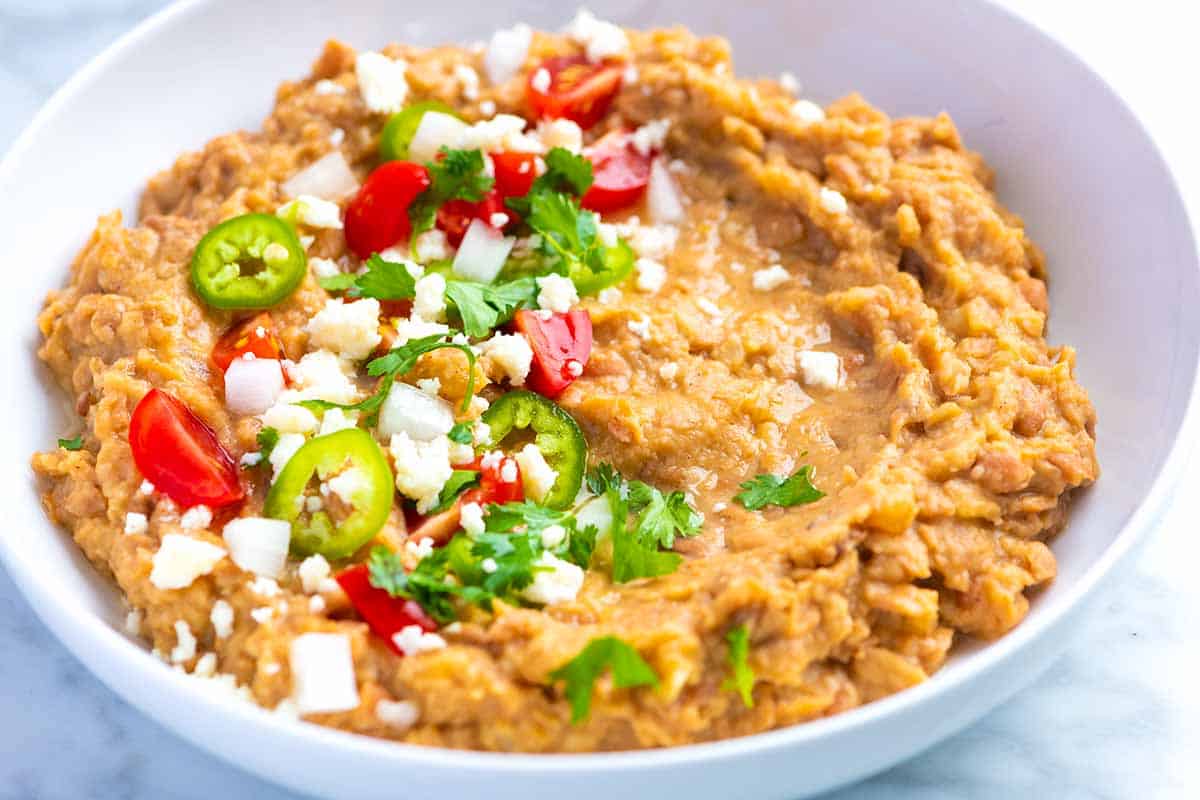
Classic Toppings: Melted cheese (cheddar, Monterey Jack), crumbled queso fresco, diced fresh or pickled jalapeños, chopped white onion, fresh cilantro, and a dollop of sour cream or crema.
*
Versatile Side Dish: Serve alongside your favorite tacos, enchiladas, burritos, quesadillas, or grilled meats.
*
Hearty Dip: Enjoy them warm with tortilla chips for a simple yet satisfying snack.
*
Creative Uses: Use them as a spread for tostadas, a filling for burritos, or an ingredient in layered dips.
Conclusion
Embarking on the journey to make refried beans from scratch is a culinary adventure that promises rich rewards. This comprehensive
refried beans recipe empowers you to create a dish that far surpasses its canned counterparts, delivering unparalleled flavor, texture, and a sense of accomplishment. Whether you choose the slow and steady stovetop with dried beans or the speedy Instant Pot method, the simple act of "refrying" with aromatic ingredients transforms humble beans into a creamy, savory masterpiece. So, gather your ingredients, fire up your skillet, and prepare to elevate your Mexican and Tex-Mex meals with the truly perfect homemade refried beans.